THE JOURNEY
Socius Itineris
A fellow traveler
A question I could not put down.
I remember becoming intrigued by an idea Napoleon Hill explored in Think and Grow Rich. In a chapter on what he called “sex transmutation,” he proposed that sexual desire could be redirected toward imagination, persistence, creativity, and achievement.
His subject was success, including success in business. But it was another question that stayed with me.
How?
Not merely what someone might accomplish with powerful desire. How might a person actually learn to understand it, work with it, and give it a different direction?
That question led to years of inquiry. What began in the language of personal achievement led me toward older and deeper conversations about vitality, longing, self-mastery, spiritual life, and what it means to be human.
In Augustine, I encountered a searching account of desire, conscience, will, and grace. I did not find a single simple “Christian view” of the body; I found history, struggle, disagreement, and an invitation to look closely at what had been handed down.
In Taoist thought, I encountered different ways of speaking about cultivation, jing, qi, and the relation between vitality and practice. In Indian traditions associated with Kundalini, yoga, and Tantra, I encountered still other approaches to awakening and transformation.
The individuals behind some of these teachings interested me just as much as the ideas. Augustine, Origen, and Bernard of Clairvaux affected later Christian conversations; Hadewijch and Marguerite Porete brought other voices to questions of devotion, longing, and authority. Different teachers, communities, and spiritual lineages had consequences far beyond any single lifetime.
None of these teachings is identical to another, and their differences matter. I was not looking for a slogan claiming that every culture possessed the very same secret. I was trying to understand why some traditions seemed to offer practices for inner life while so many of us had heard only broad encouragement to change, resist, succeed, or become empowered.
Again and again, I returned to the same question: We hear what is possible. Where do we learn the how?
The question became more urgent as everyday life changed around us.
Today, we carry endless entertainment, information, and stimulation in our pockets. These tools can help us reach one another. Yet they can also become our easiest response to loneliness, stress, longing, or boredom.
Pornography is one example that deserves a gentle and honest look. It can awaken genuine desire while presenting an image of closeness that is not the same as mutual intimacy. For some, that experience becomes a familiar substitute for the deeper need to be known, loved, or connected. I do not believe curiosity or desire makes a person defective, and I have no interest in turning this question into an accusation.
I am interested in what happens when we ask what lies beneath the familiar response, and what else might become possible.
Underlying this inquiry is an even older belief I carry: that we are created in our Creator's image, each given the capacity to love, imagine, create, and contribute.
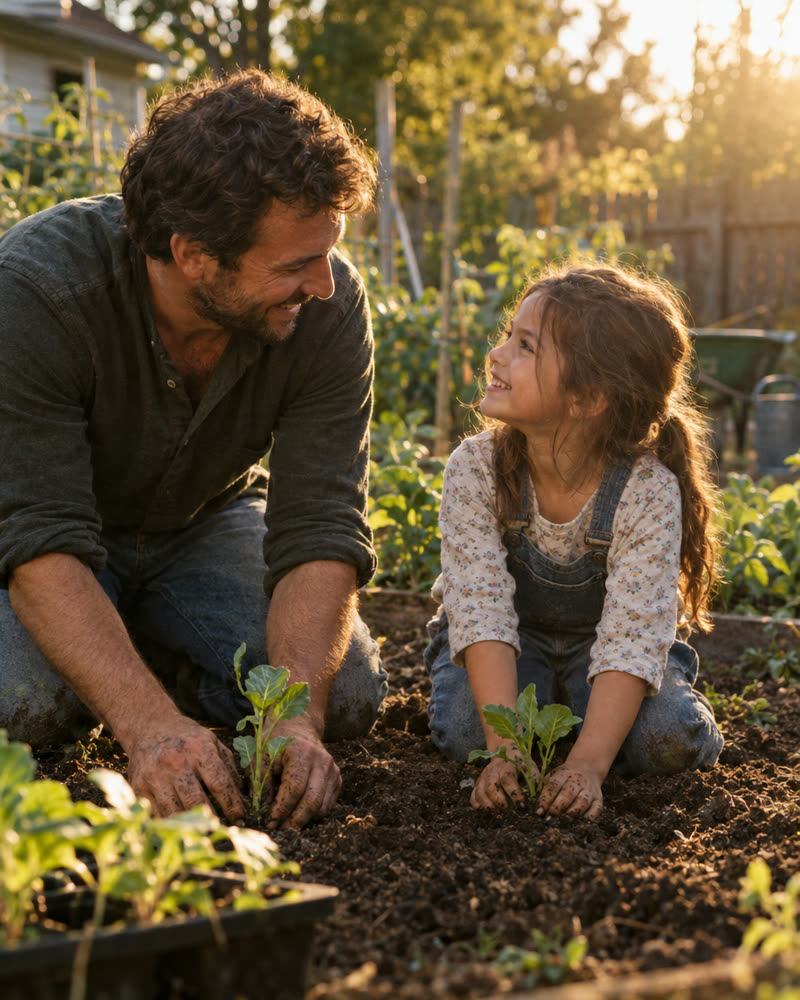
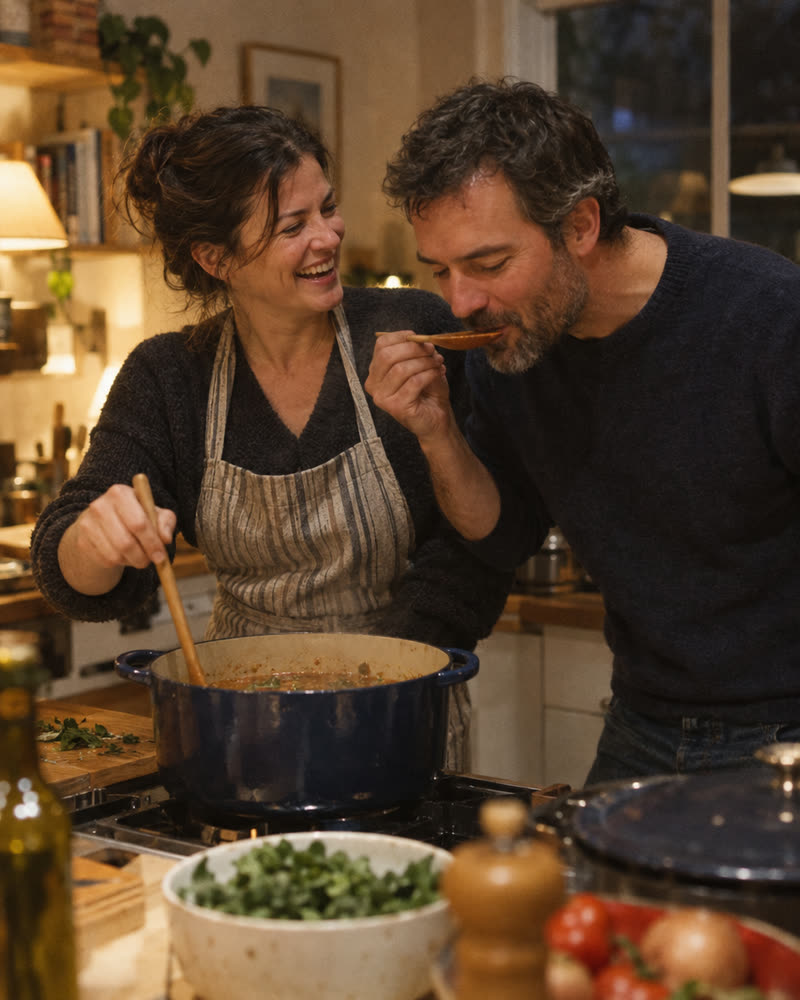
The life within us is not merely something to restrain or spend. It is part of what we bring to a relationship, a family, a community, an act of courage, a work of imagination, a useful idea, or an ordinary gesture of care.
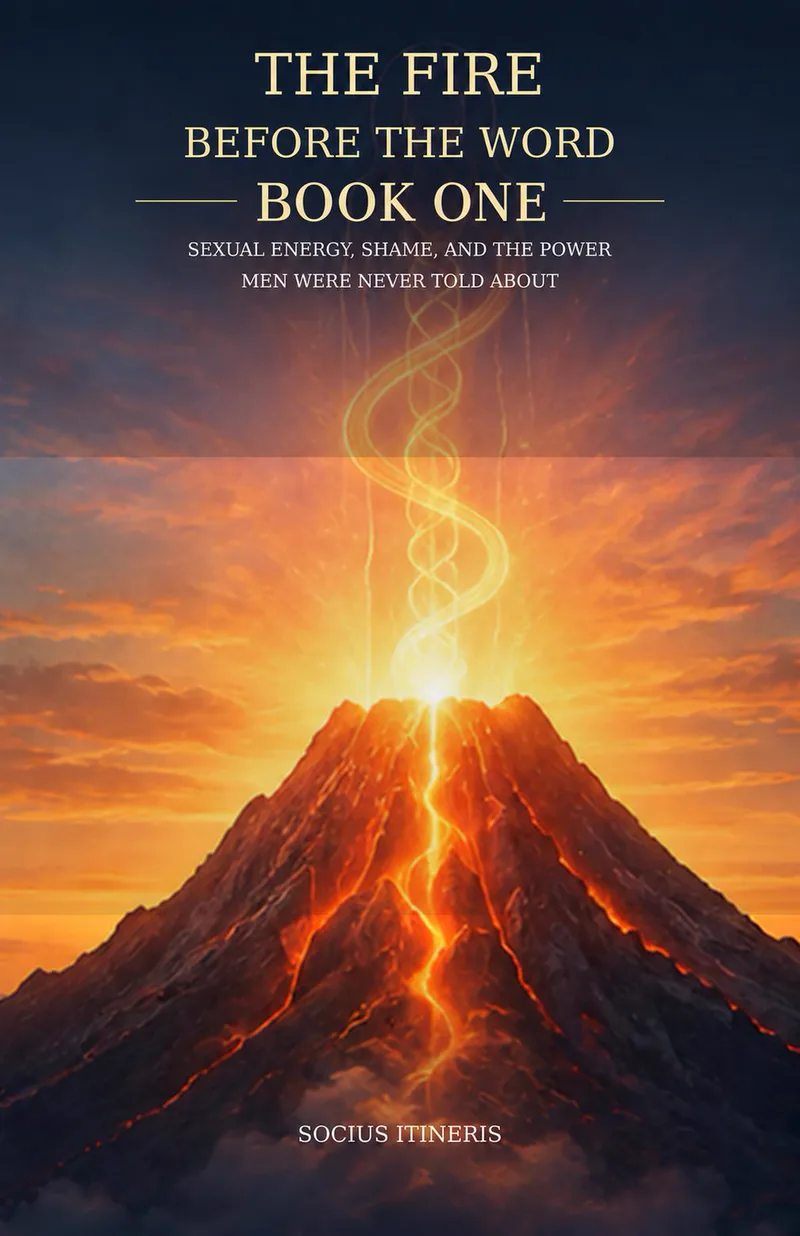
The Fire Before the Word grew out of those years. Book One turns toward the personal questions of desire, attention, and daily choice. Book Two lets the journey continue into the lives, debates, and traditions that helped shape the cultures we inherited. These two books leave the last word to the reader. They ask us to question what we inherited, to consider what earlier seekers discovered and debated, and to explore what living with greater attention might look like now.
Not simply what we might become.
How we might begin.
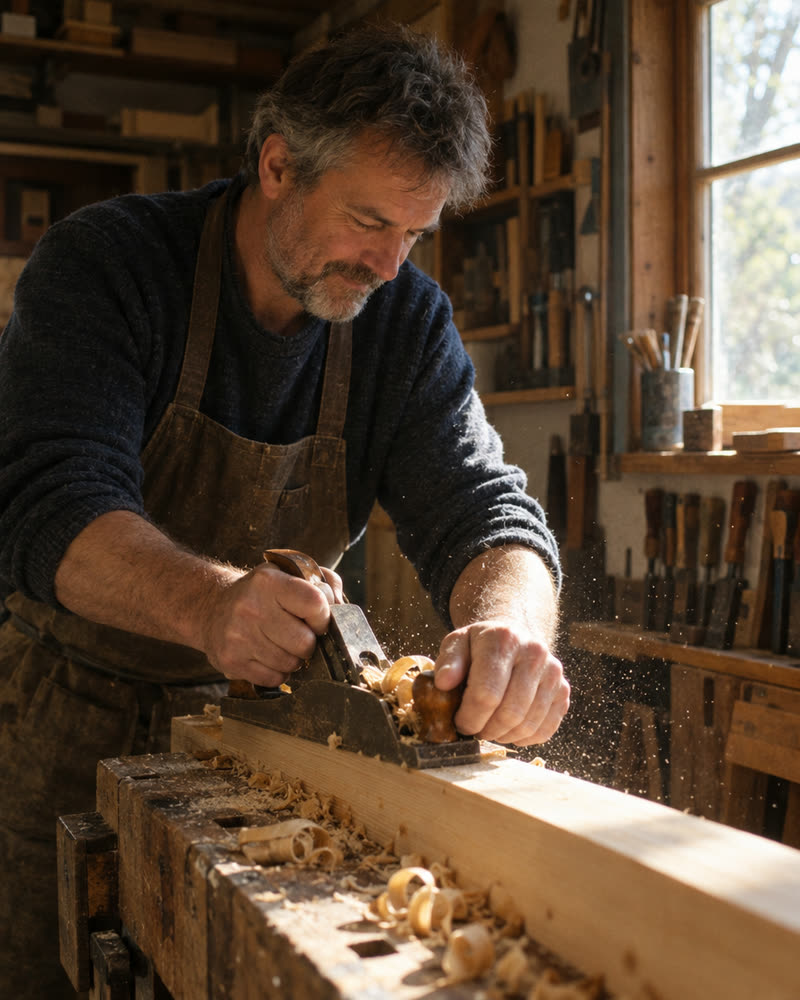
And ultimately: What will we build with the life within us?